When to Go Hiking in Hangzhou
Hangzhou has four distinct seasons, and each offers a different hiking experience. Spring and autumn are the most popular and comfortable seasons. Summer is hot and humid but workable with early starts. Winter is cool and quieter, with its own stark beauty. The best time for hiking depends on what you are looking for, green tea fields, clear summit views, or quiet trails.
Spring (March–May)
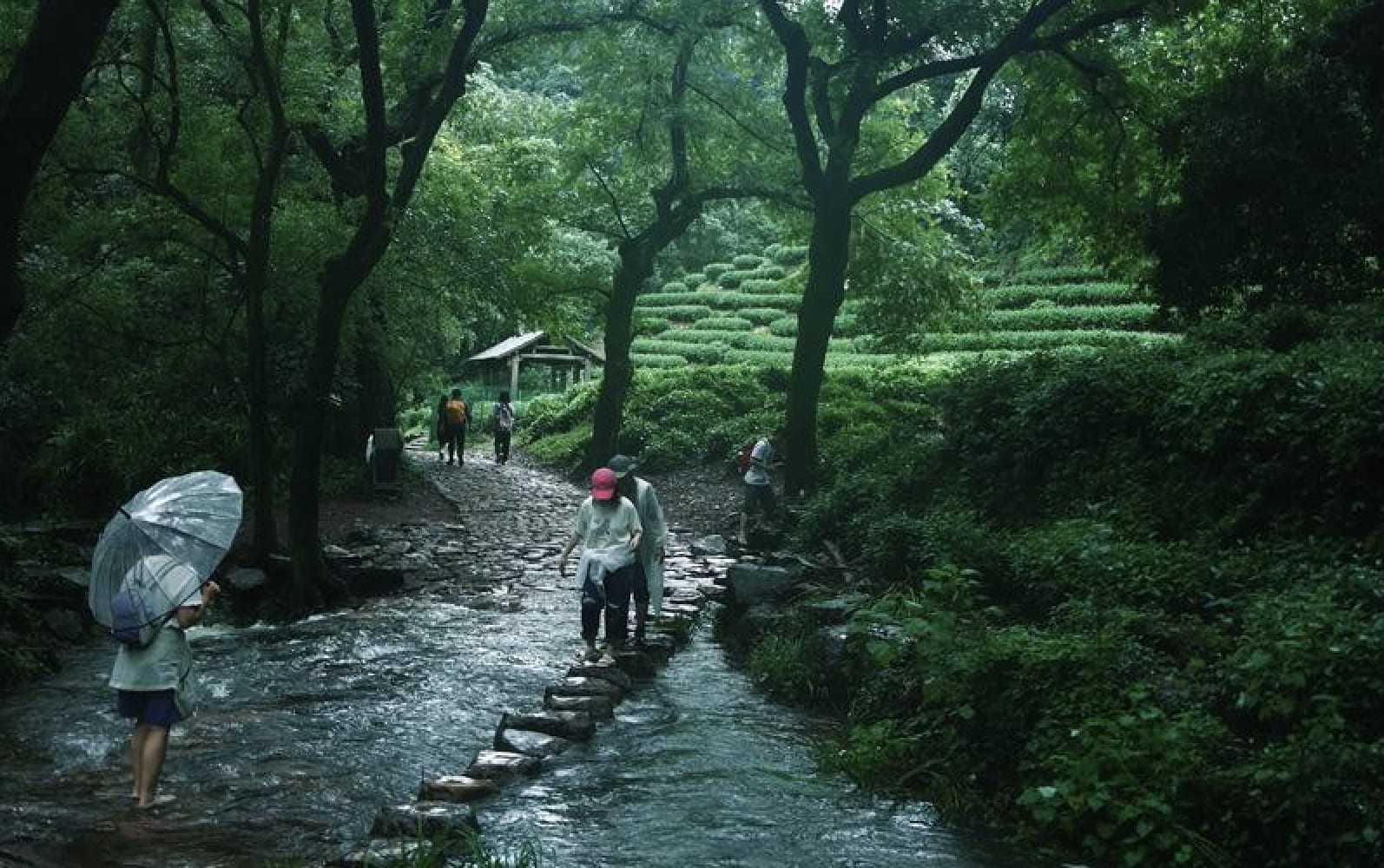
The most popular hiking season, for good reason. Temperatures are mild, the tea fields around Longjing are in active harvest, and the hills are at their greenest. Spring is also when the annual rains arrive, particularly in March and April. Expect occasional light rain and mist, which can make the trails atmospheric but also slippery. March and April can be cloudy. May is usually clearer and warmer.
Best for: tea field walks, photography, first-time visitors.
Pack: light rain jacket, good grip shoes, and a camera.
Summer (June–August)
Hot, humid, and prone to afternoon thunderstorms. June is the rainy season, expect heavy showers and high humidity. July and August are the hottest months, with temperatures often above 35°C (95°F). Hiking is still possible but only really comfortable in the early morning. By 10am the heat and humidity can be intense, especially on exposed sections.
Best for: early morning starts and empty trails (fewer hikers in summer).
Pack: lots of water, sun protection, light clothing, and a towel. Start before 7am if possible.
Autumn (October–November)
The best season for hiking, especially for hill climbs and viewpoints. October and November bring clear skies, comfortable temperatures (18–25°C / 65–77°F), and low humidity. Visibility is excellent, making this the ideal time for the North Peak summit climb and any route that offers views. The autumn colors around the lake are an attraction in themselves.
Best for: summit hikes, photography, long routes, first-time visitors.
Pack: light layers for cooler mornings, and a camera for the clear views.
Winter (December–February)
Cool and dry, with temperatures typically between 3–12°C (37–54°F). Snow is rare but possible. The hills are quieter and the trails much less crowded. Winter hiking requires warm clothing and an early finish, the sun sets earlier and temperatures drop quickly in the hills. Clear winter days can offer excellent visibility from viewpoints.
Best for: quiet walks, photographers looking for empty landscapes, avoiding crowds.
Pack: warm layers, gloves if hiking early or late, and check the forecast for rain or snow.
Seasonal Trail Conditions at a Glance
Here is a quick reference for how each season affects the trails on this site:
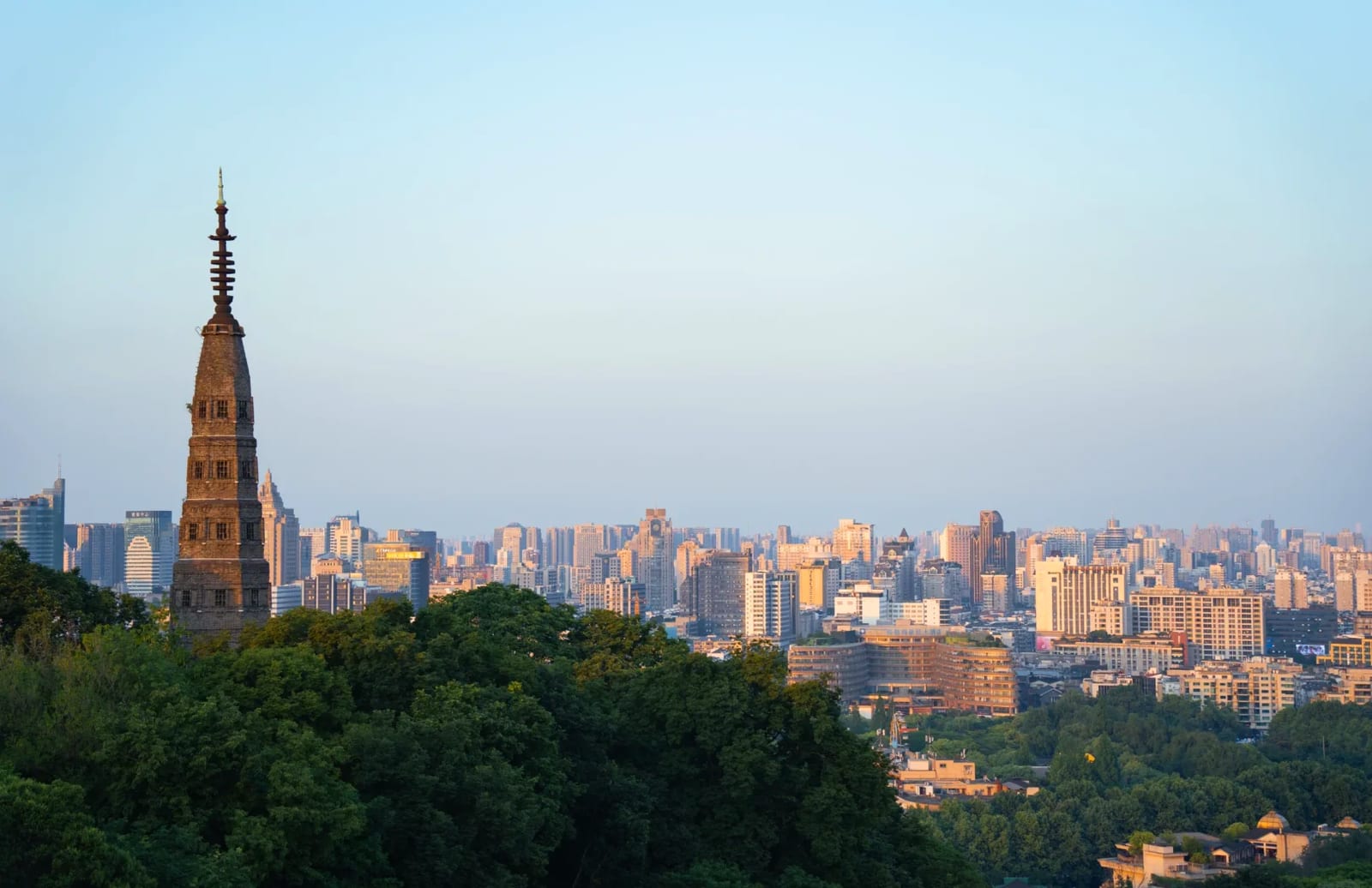
Baoshi Mountain, Good year-round. Exposed at the summit so summer sun and winter wind are factors. Sunset is popular in any season.
Longjing to Nine Creeks, Best in spring (tea harvest) and autumn (clear and comfortable). Summer is hot on the open sections but the forest part is shaded. Winter is quiet and the fields are dormant but still pleasant.
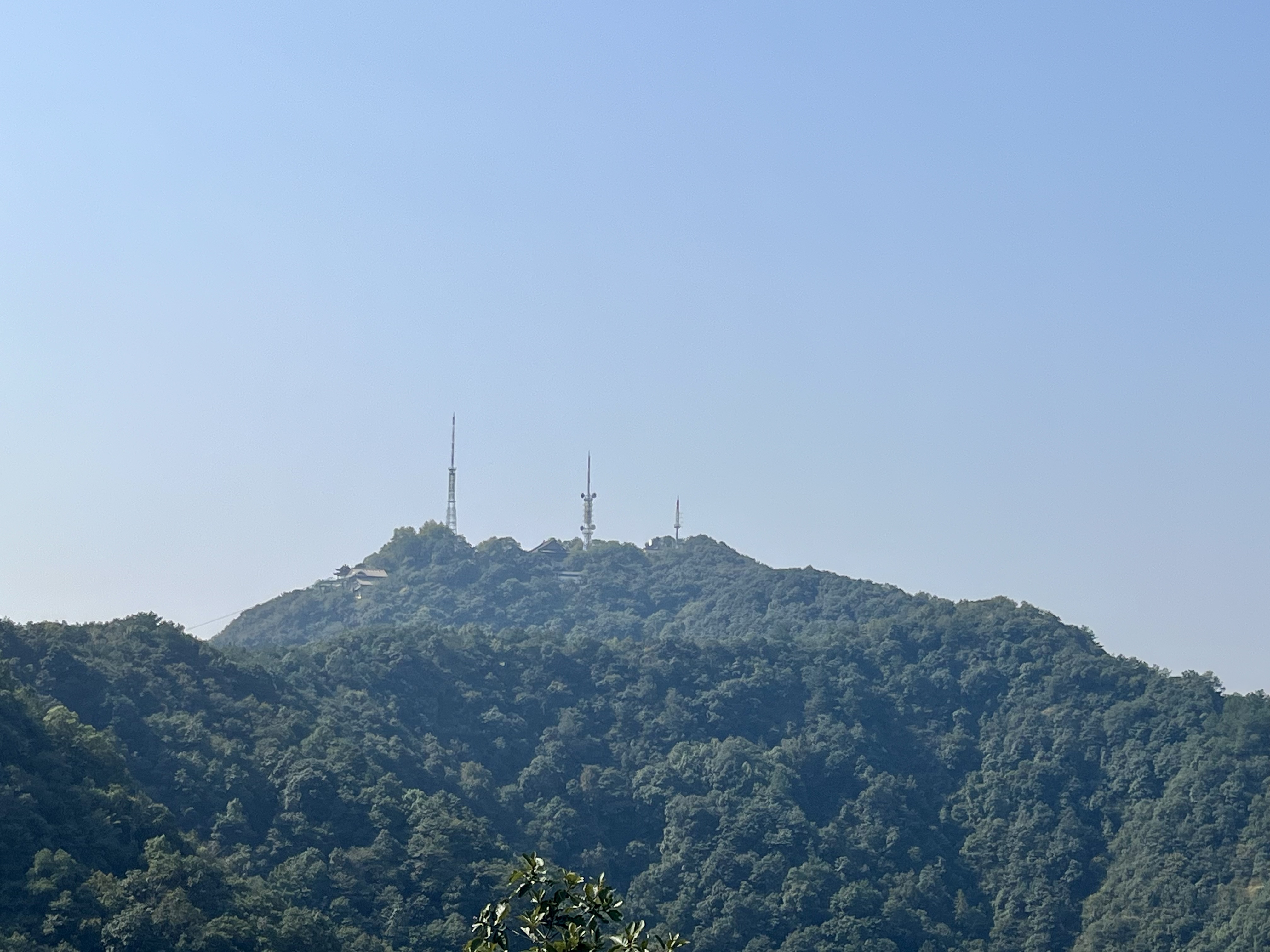
Lingyin to North Peak, Best in autumn for views. Spring is good but can be misty. Summer climbing is strenuous in the heat. Winter is fine on clear days; check trail conditions.