Shanghai's Climate at a Glance
Shanghai has four clear seasons and, like much of the Yangtze Delta, a lot of humidity. The city sits near the coast, so summer is hot and sticky and winter is damp and cold rather than dry. For walkers, the two things that matter most are heat and rain: summer brings both, while spring and autumn give you the mildest, most reliable days. Air quality is generally acceptable but dips on still winter days and during summer haze, check the day's index before a long exposed riverside walk.
Best: Spring (March–May)
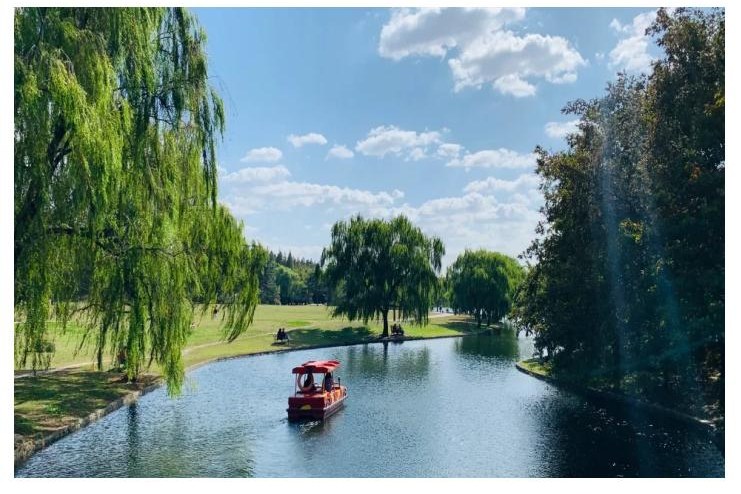
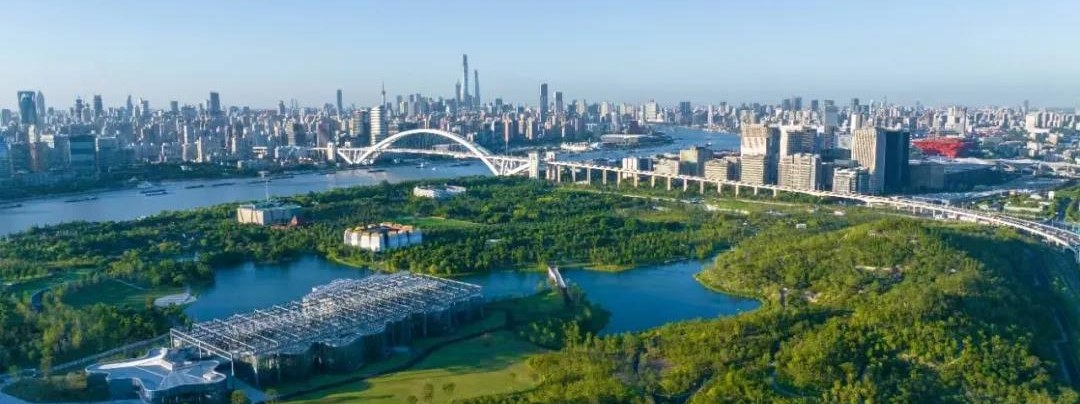
Spring is the most pleasant walking season. Daytime temperatures sit around 15–25°C, humidity is moderate, and the city's parks and riverfront come alive, Gongqing Forest Park and the West Bund lawns turn green, and late March to April brings blossom along many paths. Rain falls in passing showers rather than sustained downpours. This is the best window for the forest and hill routes (Gongqing, Sheshan) before summer humidity sets in.
Best: Autumn (October–November)
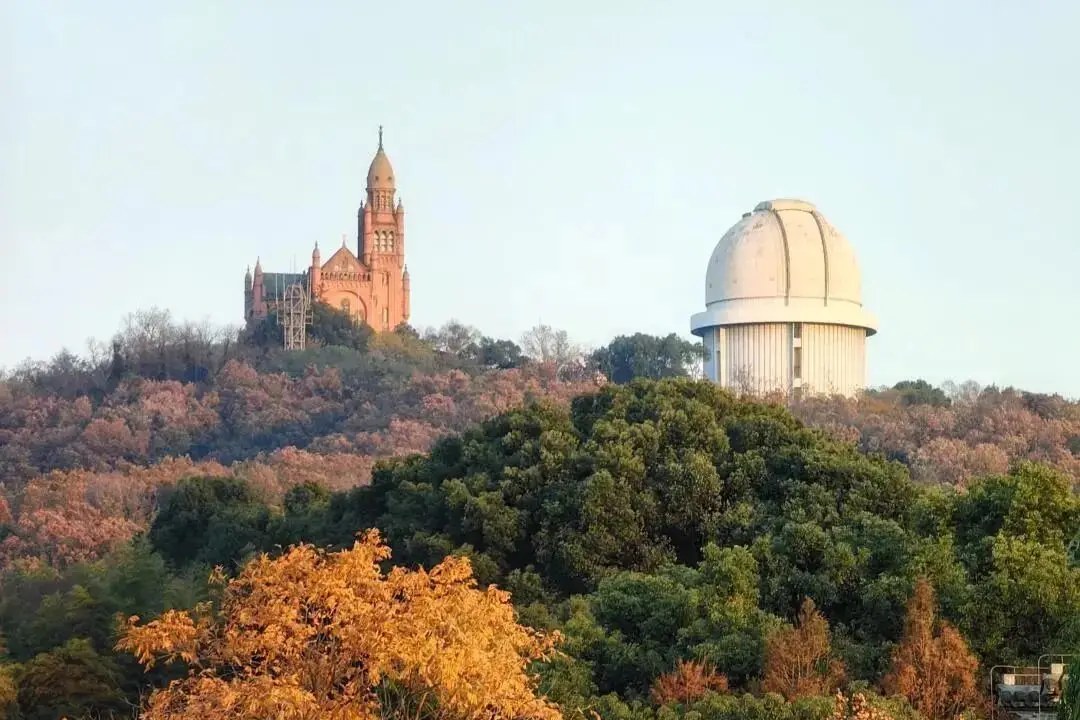
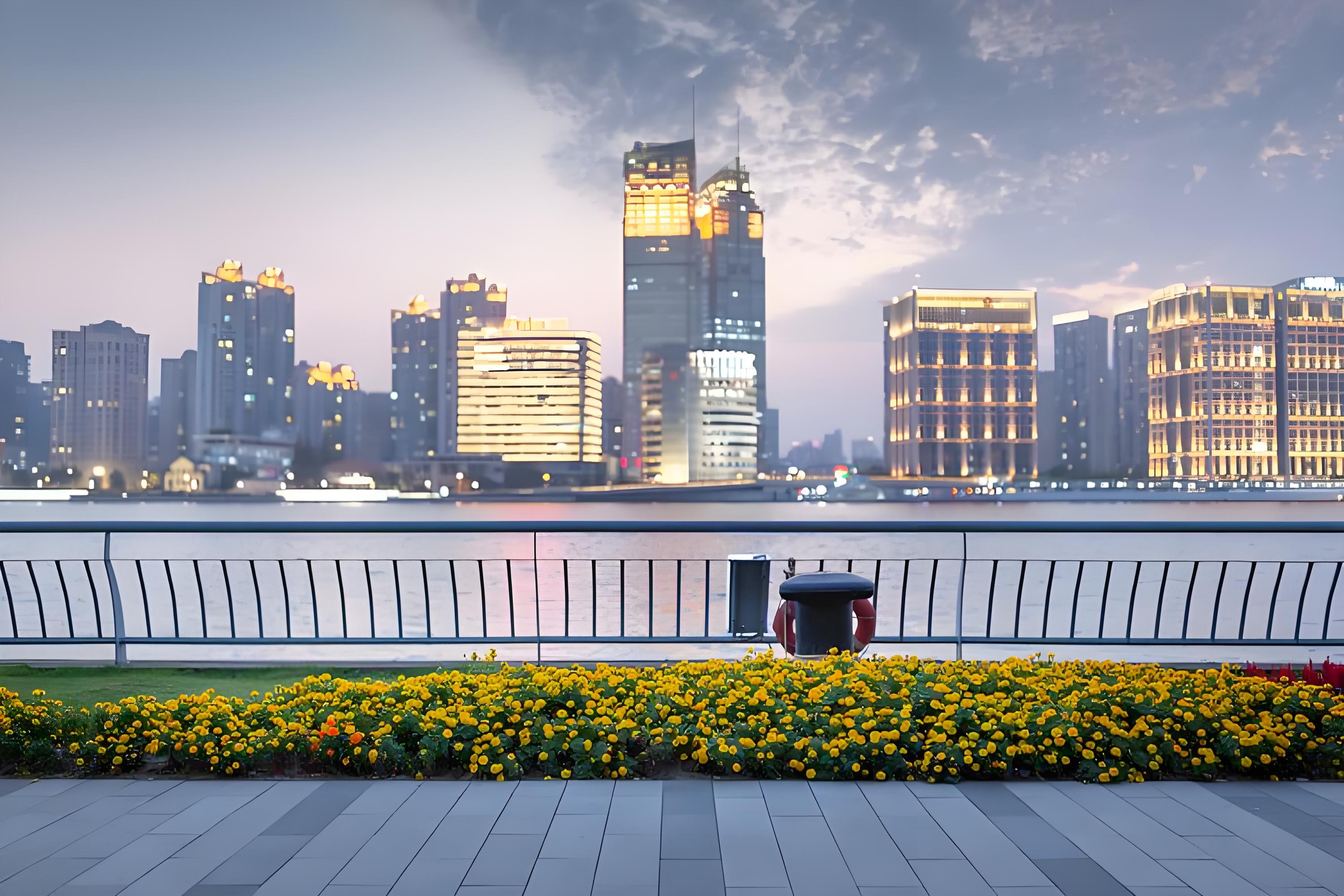
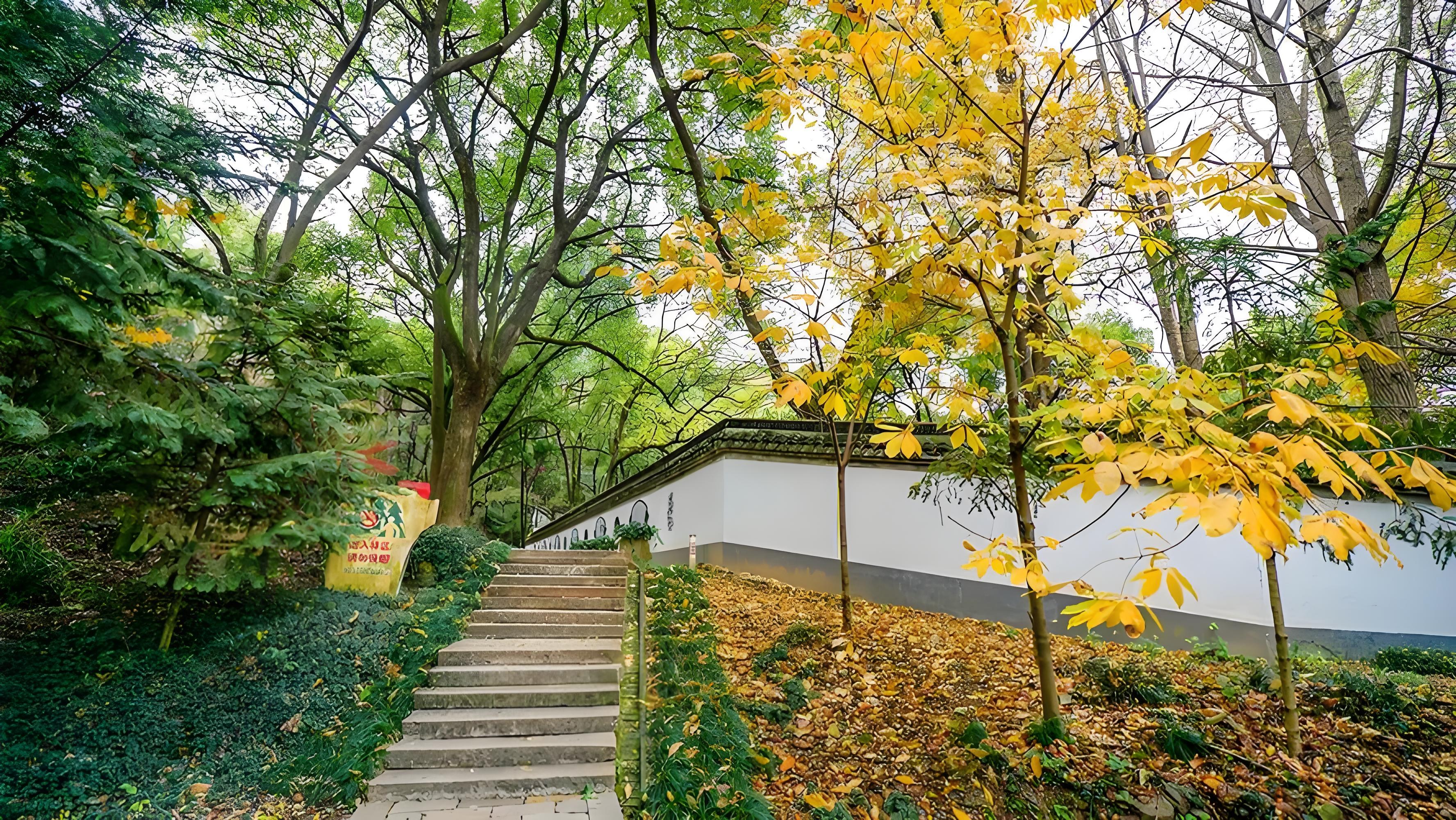
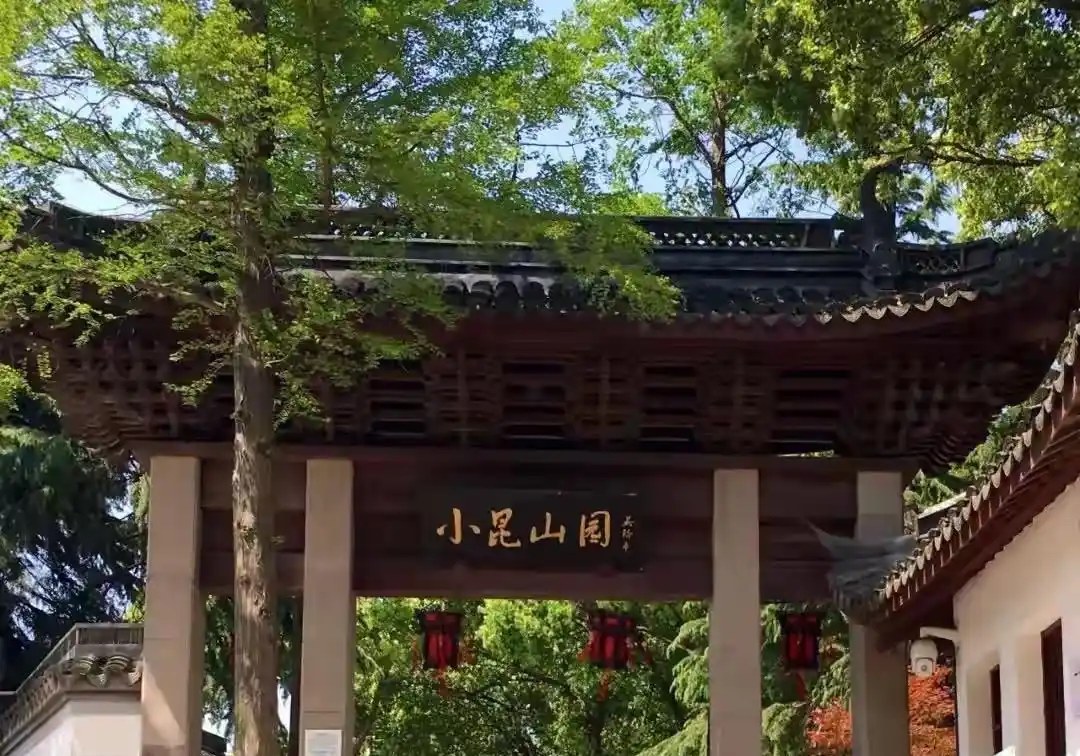
If you can only pick one season, pick autumn. Skies are the clearest of the year, temperatures are comfortable (18–25°C), and humidity drops, so the longer outer routes, Sheshan, Tianma Mountain, Xiaokunshan, are at their best. The riverside promenades (West Bund, Pudong, Suzhou Creek) are ideal in the cooler evening light. Autumn also has the fewest weather disruptions, making it the safest bet for a planned day out.
Challenging: Summer (June–September)
Summer is the hardest season for walking. June and early July bring the plum rains (梅雨, méiyǔ), weeks of humid, overcast drizzle. Then July and August turn hot, often 35°C+ with high humidity and afternoon thunderstorms. If you walk in summer: start before 08:00 or after 17:00, carry more water than you think, and favour shaded routes (Gongqing's forest, Sheshan's bamboo boardwalks) over exposed riverside stretches at midday. Indoor escapes (museums near West Bund) help on the worst days.
Cold but Clear: Winter (December–February)
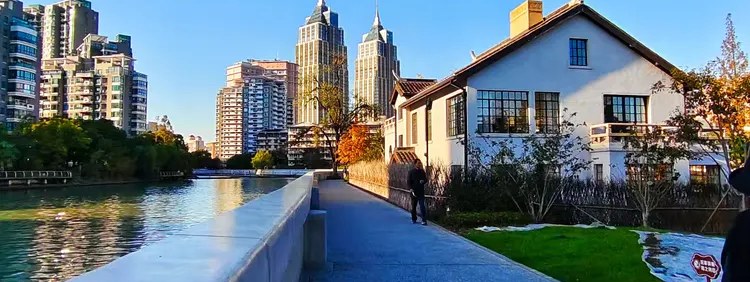
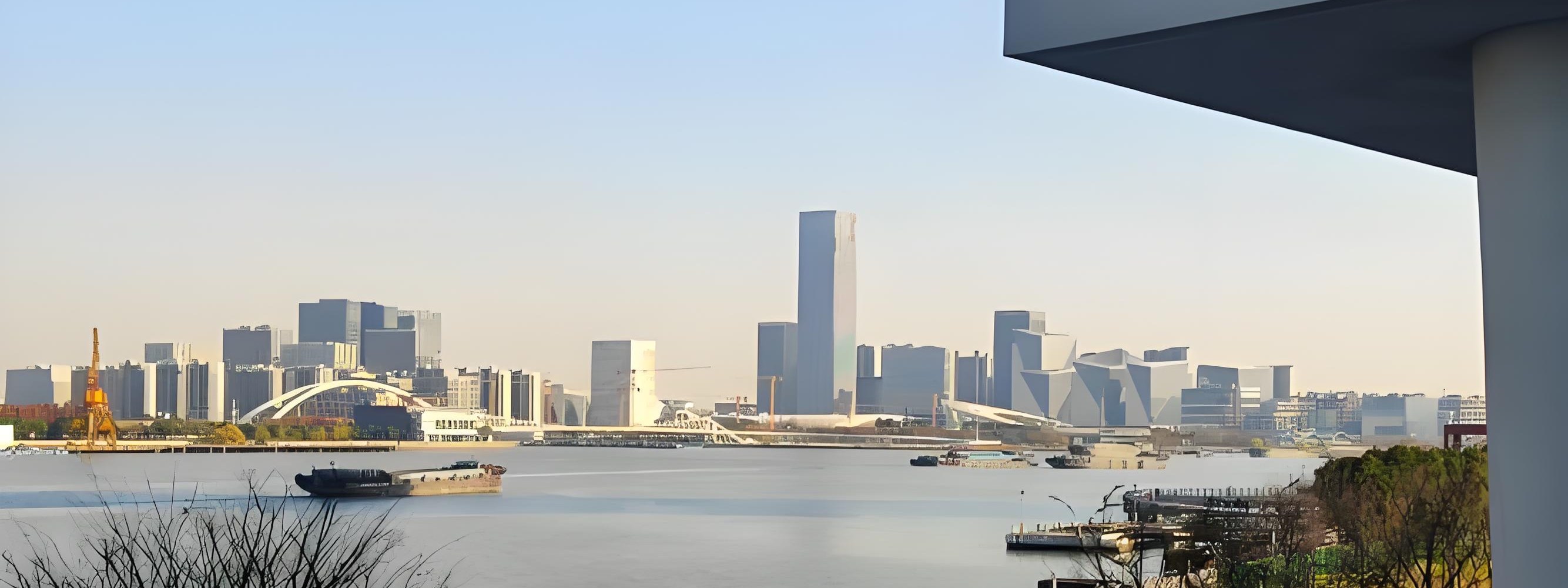
Winter is cold (often 0–10°C) and damp, with short daylight, the sun is down by about 17:00. Snow is rare. The upside is clear, low-humidity days with almost no crowds, which makes the flat riverside citywalks (Suzhou Creek, West Bund) peaceful and easy. Hills can be slippery after frost or rain, so save Sheshan, Tianma and Xiaokunshan for dry days. Dress in layers and keep walks shorter.
Month-by-Month Quick Table
A rough guide, confirm on-site against the year's actual forecast:
| Month | Conditions | Best routes |
|---|---|---|
| Mar–May | Mild, blossom, showers | Gongqing, West Bund, Sheshan |
| Jun–Jul | Plum rains, humid | West Bund, Suzhou Creek (covered bits) |
| Aug–Sep | Hot, thunderstorms | Forest shade (Gongqing, Sheshan), early/late |
| Oct–Nov | Clear, comfortable | All routes, peak season |
| Dec–Feb | Cold, damp, short days | Riverside citywalks, dry hill days |
Festival periods (Golden Week in early October, Spring Festival in Jan/Feb) mean crowded transit and parks, build in extra time.
How Season Affects Each Route
Forest routes (Gongqing, Sheshan) are best in spring and autumn and punishing in midsummer heat. The artificial Twin Hills at Expo Park are exposed, fine in spring and autumn, avoid at midday in summer. Riverside promenades are walkable year-round but loveliest at sunrise or after sunset in summer and during clear winter mornings. The western hills (Tianma, Xiaokunshan) are farthest out and best saved for the clear, cool autumn days when the longer transit is worth it.